Chapter 1: "Reading Instruction That Works,"
. Hello, everyone!
So excited to begin my blogging journey! What a fun and unique way to share new content, inspirations, and more! Reading Chapter 1 from, "Reading Instruction That Works," I found myself learning information about a debate within the educational world. As I read more, I began comparing and conceptualizing an opinion on the content that was presented in the debate. The science of reading is a very complex topic, and I found myself desiring more information on the topic. I find educational debates to be very compelling and grasp my attention and passion for teaching.
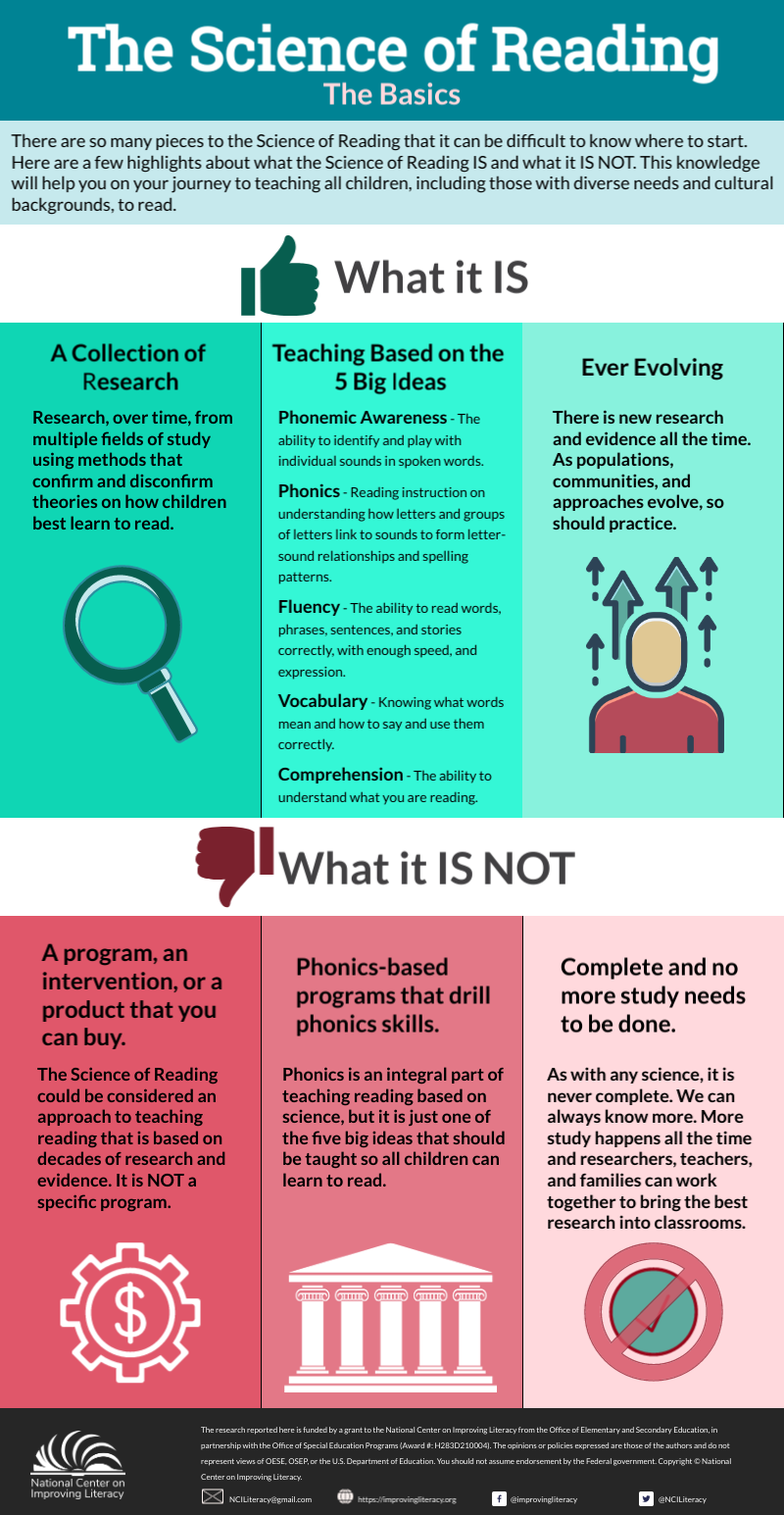
The science of reading (SOR), is a debate surrounding the best methods for teaching reading. After doing extensive reading on both sides of the debate, I have concluded that SOR should include many aspects, not just phonic instruction. The text mentions SOR including other elements like volume of reading, writing, language composition, background knowledge, and more. The textbook is most certainly in favor of implementing SOR. "As we write this fifth edition, we couldn’t agree more. In the second special issue on the SOR, more authors continue to provide evidence and theories for a more expansive view of the SOR beyond just phonics instruction. Additionally, reading researchers express the importance and data supporting reading multiple texts, increasing reading volume, teaching syntax skills, and teaching reading across content areas." (Pressley, Allington 2023) Introducing a denser population of content to a reader is going to help them develop even more necessary skills.
The science of reading offers a new realm of possibilities to students. For example, SOR promotes phonological awareness. This is a huge building block for language development and reading for a student. Being taught phonological awareness is going to help them form those sounds and recognize when to use them. Additionally, SOR urges more word and phonics recognition, allowing them to spell, and eventually read. Fluency is also a major element taught in the SOR. The ability to read and make connections in the text, as well as use expression are very important life skills, needed for reading. SOR is determined to improve the vocabulary and comprehension of students by including real-life interactions in instruction and helping students build language skills. Finally, SOR teaches comprehension of text, which is a vital literary tool used daily by everyone. Understanding comprehension allows ways to build scaffolding and strategies to assist them. According to sources outside of our text, "The science of reading is the converging evidence of what matters and what works in literacy instruction." (Jiban, 2024). All of these concepts are crucial building blocks to becoming a stronger, and more advanced reader. We, as educators, should have our student's best interests at heart. Therefore, we should be implementing practices that are going to help them learn more about becoming better readers, like those listed above. Educators should be focused on the end result for our students. How will we make them the best readers? “It turns out that the ability to read words in isolation quickly and accurately is the hallmark of being a skilled reader. This is now one of the most consistent and well-replicated findings in all of the reading research.”(APM Reports, 2019). As you can see, becoming a skilled reader takes multiple skills and concepts. Using a blend of SOR methods is going to help improve the reading skills of your students, and promote more real work strategies. As you can see, there is an intensive span of research and evidence to support why SOR should be a regularly implemented method.
Pressley, T., Allington, R. L., & Pressley, M. (2023). Reading Instruction That Works (5th ed.). Guilford Publications, Inc.. https://ccis.vitalsource.com/books/9781462551873
Jiban, C. (2024, April 19). The Science of Reading explained. Teach. Learn. Grow. https://www.nwea.org/blog/2024/the-science-of-reading-explained/
What is the science of reading?. Really Great Reading. (n.d.). https://www.reallygreatreading.com/what-is-the-science-of-reading-and-phonics

Excellent. You did a nice job combining what our text says and what other research says. I am understanding that you feel that SOR is not the end all, but a combination of SOR and other reading research might be the answer for teaching reading.
ReplyDeleteI read the "The Science of Reading explained" article as well. It has a great deal of information that also helped me understand what exactly the SOR means for both students and educators. I like how you mention that the Science of Reading, "opens up a realm of possibilities" for students. I would have to agree with you. When we, as educators, understand that this is not a program or a one way street, we help our students open up to many opportunities in their reading success.
ReplyDeleteI think between our readings this week and the articles we all found, I can say that the Science of Reading is meant to educate the people teaching on what exactly is needed to ensure our students' understanding and success for their futures. This is something that is used as a resource to help educators teach, but not a lesson plan, so to speak. The SOR is not a one stop shop, it is a guide to use to support the many ways that we can and should educate our students on their reading journeys.