Word Walls: What is the hype?
Word walls can be a tremendous addition to a literacy-based classroom. Adding significant and influential ways of learning new content. They can be used for numerous standards, ideas. curriculums, and topics in the English language arts world.
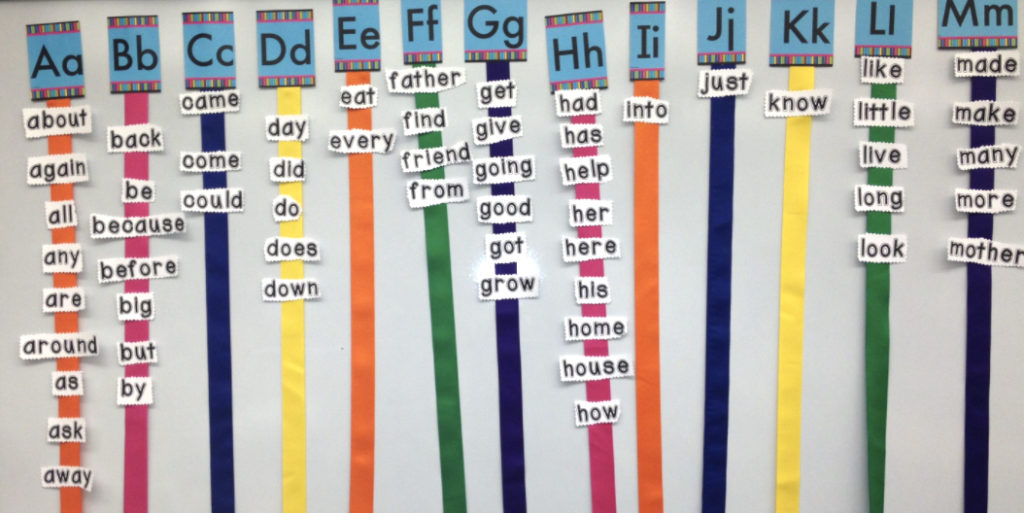
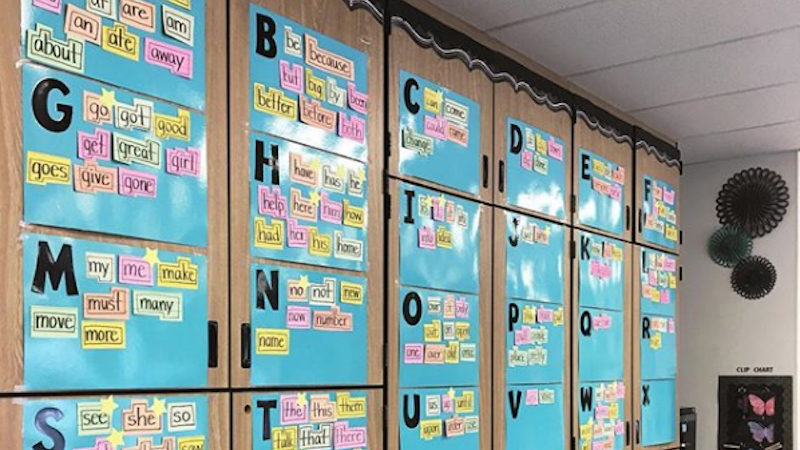
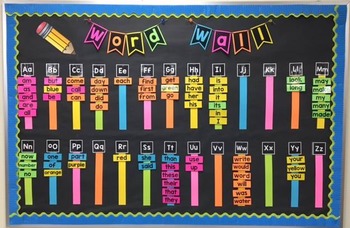
According to sources, a word wall is a large collection of various words displayed in a engaging way on some sort of bulletin board, wall, or other large display area in a classroom. Adding a word wall creates an interactive activity for students to engage with, the wall includes words that are used during writing and reading activities in class. So essentially, it is a large visual aid used to showcase various meaningful and related vocabulary terms. They use many key features to make a dynamic resource for students. For example, they are used as a visual aid, used to display word collections, illustrate organization of terms, can be used interactively with moving or editable elements, and is a terrific reference tool for kids. These are all very important concepts practiced in a literacy based classroom, making word walls an important piece of content.
Word walls also comes with an extensive wrap sheet for benefits provided to a child. While seeking additional information on this topic, research allowed us to view these benefits in another light, "They help students see patterns and relationship in words, thus building phonics and spelling skills, they help students learn vocabulary related to classroom reading, including content area vocabulary, and they provide reference support for children during reading and writing activities." (Sayre, Hulbert, et. al, n.d). Not only that, but it can also add innovative ways for whole class participation and discuss, which can be the building blocks for building student communication skills. Literacy-skill improvement requires utilizing a wide stretch of methods to build on each other over time, to benefit the student. This is another reason why a word wall can help to support those endeavors.
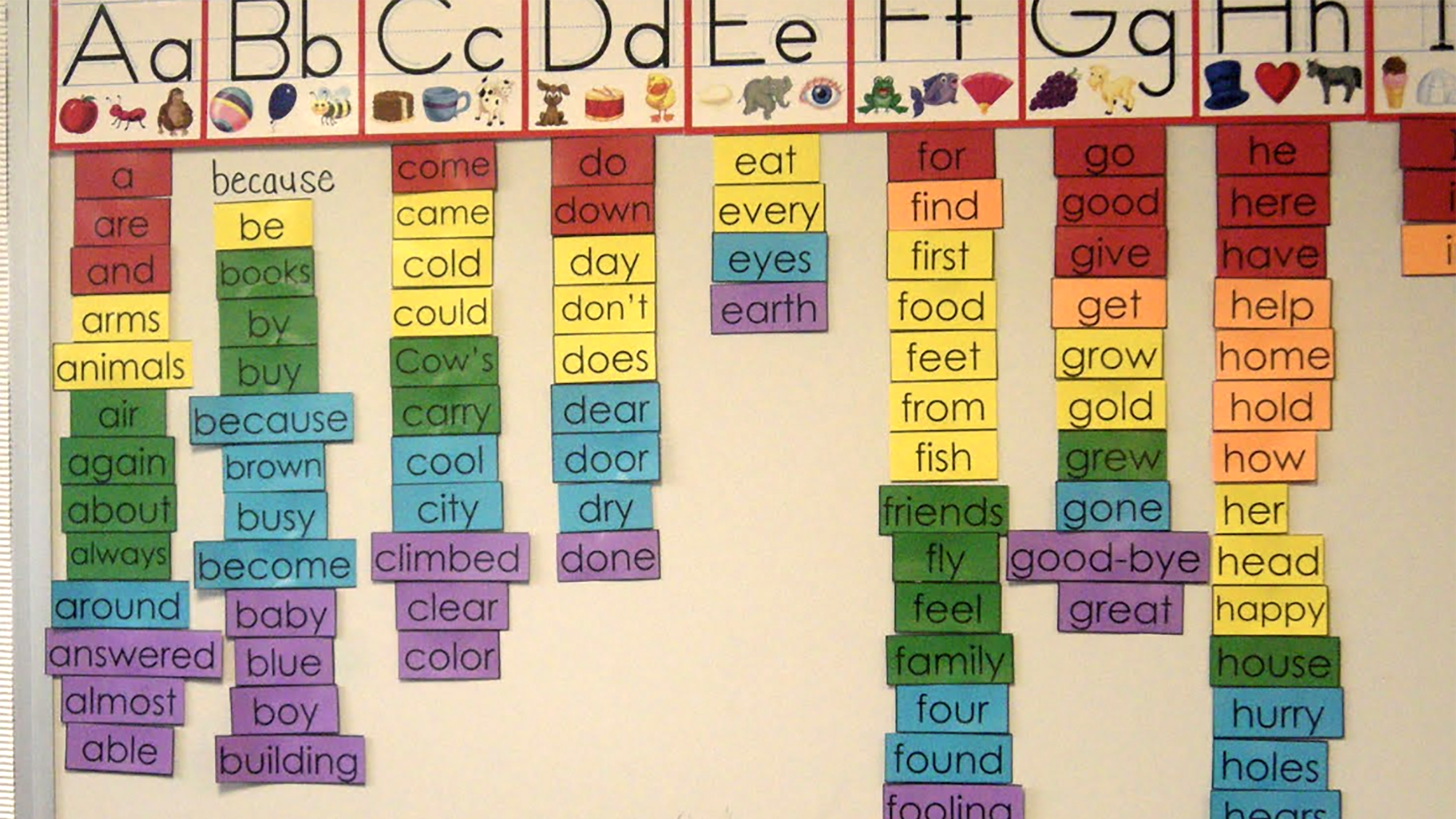
In my future classroom, I plan to utilize methods similar to the word wall, and make words accessible and fun! Additional research has shown me that I should be using bold, and impressionable colors to engage and lure student desires. "Make words accessible by putting them where every student can see them. They should be written in large black letters using a variety of background colors to distinguish easily confused words." (Sayre, Hulbert, et. al, n.d). Also, I want this to be a bonding experience for the class as a family, but also a way to create more relationships with my students that are meaningful. It can be a team effort, or ways for classmates to work together to enhance the board creatively. I like how the article I used also mentioned that you can turn word wall time into a song, dance, or even a chant! I think this would bring a fun concept into a challenging topic, making it more memorable, and engaging for a literacy based classroom. I also love that I can customize the word wall experience to specific content or standards I am currently focusing on with the class. I like flexible lesson plan ideas, because there is always room to add or subtract concepts you do not like for next time.
Many students could also use this as a method of different instruction. This is more than ideal for a literacy based classroom. This gives word walls a HUGE importance. ELL students can use a word wall as a visual aid, but also as a way to see real-world application of terms. Also, individuals with IEPs may utilize a word wall to help meet ELA and vocabulary goals. It could also be printed, and given to students as a reference sheet on exams, etc. Overall, word walls are important, because they provide endless opportunities

 for every learning style, and student! Totally customizable!
 Sayre, A. P., Hulbert, L., Ehlert, L., Aston, D., Nolan, H., Neuschwander, C., DiTerlizzi, A., Underwood, D., Andrews-Goebel, N., Showers, P., & Barretta, G. (n.d.). Word walls. Reading Rockets. https://www.readingrockets.org/classroom/classroom-strategies/word-walls#:~:text=A%20word%20wall%20is%20a,introduced%20in%20the%20content%20areas.

It's awesome that you recognize the diverse needs of students, including English Language Learners (ELL) and those with Individualized Education Programs (IEPs). Word walls can serve as a valuable resource for these students, offering visual support and reinforcement of language concepts.
ReplyDeleteYour openness to customization and flexibility in lesson planning is key to meeting the evolving needs of your students and ensuring that the word wall remains a relevant and effective teaching tool. With thoughtful implementation, word walls can indeed provide endless opportunities for learning and growth in a literacy-based classroom.
I love word walls because they allow students to be independent of the teacher when it comes to writing and spelling.
ReplyDeleteI like how you mention the use of word walls are very important for a literacy-based classroom. Just having access to many different types of words is a great resource for our students. I like the last word wall that you showed that you would like to use. I would think the colors stand for the different sight words lists. I have seen many teachers with something like this and they will use clips with the students' names or numbers on them to show their progress. Our students really respond well to visualizations and them seeing their own success and progress is a great tool to have.
ReplyDeleteI also like how you mentioned that word walls are a great support for ELL students. This gives them access to many different words that can help them comprehend the contents better.
I think the use of word walls is never a bad idea.